
Frozen Taro Stem from Vietnam – The Underrated Ingredient B2B Buyers Are Starting to Notice
By Chi itxeasy - 07/04/2026 - 0 comments
There are ingredients that define a cuisine — and taro stem is one of them. In Vietnam, bạc hà (also called dọc mùng) is as fundamental to a proper canh chua as tamarind or tomato. Yet outside Southeast Asia, this remarkable vegetable remains largely unknown to international food buyers. That's changing — and the buyers getting ahead of the curve are the ones discovering frozen taro stem from Vietnam before it becomes mainstream.
What Exactly Is Taro Stem?
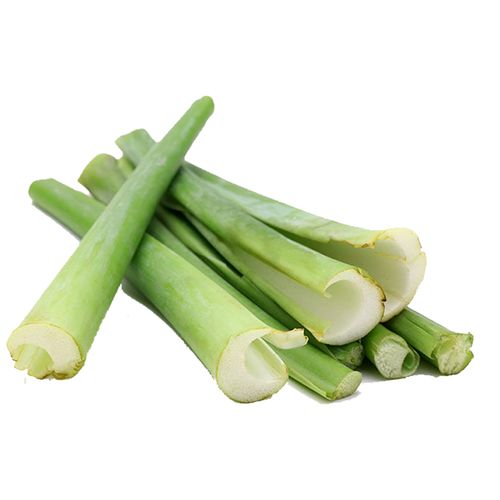 Taro stem is the petiole — the leafstalk — of the giant taro plant (Colocasia gigantea). It's not the root (which is what most people outside Asia associate with "taro"), but the long, thick, spongy stalk that connects the leaf to the base of the plant.
When peeled and processed, taro stem reveals a uniquely porous, sponge-like interior that is unlike almost any other vegetable in the frozen food trade. This structure is what makes it so culinarily valuable — it soaks up broths, sauces, and aromatics like few other ingredients can, delivering flavor deep into every piece rather than sitting on the surface.
The flavor itself is mild and clean — not starchy like the root, not bitter, not overpowering. It is the kind of neutral-but-textured ingredient that food formulators love: easy to season, easy to portion, and capable of carrying bold flavor profiles across a wide range of applications.
The Texture Advantage: Why Chefs and Manufacturers Both Want It
Ask any Vietnamese chef about bạc hà and they'll tell you the same thing — it's about the texture. That distinctive spongy bite, the way it holds its shape in a long-simmered broth without turning to mush, the satisfying resistance when you bite through it.
For food manufacturers, this translates into a highly functional ingredient:
- Heat stable — performs well in retort processing, sous vide, and prolonged cooking applications
- Sauce-absorbent — reduces need for added flavor enhancers in ready meals
- Visually consistent — cross-cut rounds and chunks present uniformly in finished products
- Low starch content — unlike taro root, the stem won't thicken or cloud broths unintentionally
For foodservice buyers, it means a prep-free, consistent-cut ingredient that reduces kitchen labor and delivers reliable plating results every service.
Vietnam's Mekong Delta: The Natural Home of Taro Stem
Giant taro thrives in the warm, humid, water-rich environment of the Mekong Delta — Vietnam's agricultural heartland. The region's network of rivers, canals, and flood plains creates near-ideal conditions for taro cultivation, producing stalks that are long, thick, and consistently textured compared to plants grown in drier or cooler climates.
Mekong Delta farmers have cultivated taro for generations, and the harvesting knowledge — knowing exactly when to cut for optimal texture, how to peel without damaging the delicate interior structure — is deeply embedded in local agricultural practice. For buyers, this means sourcing from an origin where product quality is a function of accumulated expertise, not just inputs.
Frozen vs. Fresh: Why Freezing Is the Right Format for Export
Fresh taro stem has a very short post-harvest window — once cut, it oxidizes and softens quickly. For domestic markets this is manageable, but for export it presents obvious challenges.
Freezing solves this entirely. When processed correctly — blanched to deactivate enzymes, then blast-frozen at speed — taro stem retains:
- ✅ Texture integrity — the spongy structure survives freezing and reheating remarkably well
- ✅ Color — pale green/white cross-sections remain visually clean and appetizing
- ✅ Flavor neutrality — no off-notes introduced by oxidation or prolonged storage
- ✅ Nutritional value — fiber, potassium, and vitamin C largely preserved through proper IQF processing
The result is a product that performs in the kitchen like fresh, but ships and stores like a reliable frozen commodity.
Market Opportunity: Where Frozen Taro Stem Sells
 Southeast Asian diaspora markets — Vietnamese, Cambodian, and Thai communities in the US, Australia, Europe, and Canada actively seek this ingredient. Frozen taro stem in 1 kg retail packs is a proven seller in Asian grocery channels serving these communities.
Asian foodservice chains — pho restaurants, hotpot chains, and Vietnamese casual dining operators outside Vietnam increasingly source frozen taro stem as a consistent, prep-free alternative to fresh.
Food manufacturers developing Asian-inspired product lines — as canh chua-style sour soups and Southeast Asian curry formats grow in mainstream retail, taro stem is appearing as a key ingredient in frozen meal kits and ready-to-heat soup products.
Halal food manufacturers — taro stem is naturally plant-based and fits cleanly into halal formulations, an important advantage for manufacturers supplying Middle Eastern and Malaysian markets.
Cut Options & Processing Specs
| Cut | Size | Application |
|---|---|---|
| Whole Stalk | Full length, trimmed | Retail, foodservice bulk |
| Cross-Cut Rounds | 3–5 cm | Soups, hotpot, canh chua |
| Chunk | 4–6 cm irregular | Braised dishes, curry |
| Diagonal Slice | Angled, 3–4 cm | Stir-fry, plated dishes |
All cuts supplied peeled, blanched, and IQF or block frozen unless otherwise specified. Custom sizing and cut angles available for manufacturing clients.
Packaging & Loading
| Spec | Detail |
|---|---|
| Pack size | 1 kg/bag |
| Carton | 10 bags/carton (10 kg net) |
| Container 20RF | ~9 MT |
| Container 40RF | ~21 MT |
| Pallet | Floor-loaded (no pallet) |
| Storage | -18°C or below |
| Shelf life | 24 months from production date |
What Smart B2B Buyers Ask Before Ordering
Before confirming a container of frozen taro stem, experienced buyers typically verify:
- Peeling quality — any remaining outer skin affects texture and appearance in the finished product
- Blanching parameters — critical for color retention and enzyme inactivation without over-softening
- Oxalate handling — raw taro stem contains oxalic acid; proper blanching neutralizes this and ensures the product is safe and itch-free
- Sizing consistency — stalk diameter affects cut uniformity; ask for grading specs
- Micro testing — standard TPC, Salmonella, E. coli certificates per production batch
- Pre-shipment samples — always request samples cut to your specification before container confirmation
A supplier who can answer all of these clearly — and back it up with documentation — is worth working with long-term.
Ready to Add Frozen Taro Stem to Your Product Line?
Whether you're an importer building out your Asian vegetable range, a food manufacturer developing a new soup SKU, or a distributor serving Vietnamese foodservice operators, frozen taro stem from Vietnam is a category worth exploring now — before your competitors do.
📱 WhatsApp: +84 52 373 4193 ✉️ Email: info@itxeasy.com 🌐 Website: itxeasy.com
Contact us with your cut specifications and target volume — we'll respond within 24 hours with pricing and availability.
Tags: frozen taro stem, frozen bac ha, frozen doc mung, IQF taro stem, taro stem Vietnam, taro stem exporter, taro stem supplier, bulk frozen taro stem, frozen giant taro petiole, frozen Vietnamese vegetables, taro stem soup, taro stem hotpot, taro stem canh chua, taro stem curry, taro stem stir fry, frozen taro stem B2B, wholesale taro stem, taro stem food manufacturing, Asian frozen vegetables, frozen taro stem export, Colocasia gigantea, clean label frozen vegetables, taro stem cross cut, taro stem chunk, taro stem diagonal slice, frozen taro stem 24 months, Mekong Delta vegetables, Vietnamese frozen food export, halal frozen vegetables, plant based frozen ingredients
Latest

DRIED EUCHEUMA SEAWEED
🌿 PRODUCT DESCRIPTION Dried Eucheuma Seaweed is produced from the fresh body of high-quality red ..

Frozen Gac Fruit Flesh
Frozen Gac Fruit Flesh is made from the fresh red membrane of ripe Gac fruit (Momordica cochinchinen..

DRIED SOURSOP LEAVES
SOURCE DRIED SOURSOP LEAVES FROM VIETNAM Dried Soursop Leaves are made from carefully selected fr..

Freeze-Dried Pandan Leaf Powder
Freeze-Dried Pandan Leaf Powder — Natural. Aromatic. Vibrant. Our freeze-dried pandan leaf powder..

CUTTLEFISH BONE (CUTTLEBONE)
Cuttlefish bone (also known as cuttlebone) is the internal hard shell of cuttlefish, with a natural ..

Processed Pineapple Leaf Fiber
Processed Pineapple Leaf Fiber (PALF) – Sustainable & High-Value Material Our processed pinea..

Eco-Friendly Pineapple Enzyme Dishwashing Liquid
Eco-Friendly Pineapple Enzyme Dishwashing Liquid – Natural & Sustainable Cleaning Our pineapp..

Anchovy Fish Sauce
Premium Anchovy Fish Sauce – Traditional Fermented Flavor from Vietnam Our premium anchovy fish s..

Dried Bitter Melon Vine (Dây Khổ Qua Khô)
Dried bitter melon vine (Momordica charantia) is a time-honored herbal remedy in traditional Vietnam..

Premium Terracotta Pottery from Vietnam – Handmade Natural Clay Products for Europe
Premium Terracotta Pottery – Natural Handmade Clay Products Our premium terracotta pottery from V..

Vietnamese Natural Ramie Leaves Powder (Bot La Gai Den)
Introduce your products to the authentic taste and color of Vietnam with ITXEasy's Natural Ramie Lea..

Vietnamese Boiled Sweet Potato — Nature's Most Honest Snack
Vietnamese Boiled Sweet Potato — Nature's Most Honest Snack No seasoning. No packaging. No brandi..